The two most common eco-labels on disposable cups are compostable and biodegradable. They're often used interchangeably in marketing, but they describe very different fates for a cup at the end of its life. Understanding the difference helps you choose the right cup for your business and say something accurate to customers.
What biodegradable means
Biodegradable means a material will break down naturally through microbial action over time. The catch: nearly everything biodegrades eventually, including conventional plastic, just over wildly different timescales. A conventional plastic cup might take 450 years to break down. A paper cup breaks down faster, but if it has a plastic polyethylene lining, that lining doesn't biodegrade on any useful timeline.
When a cup is labeled biodegradable without additional certification, it's a low-commitment claim. It tells you the material will eventually decompose. It doesn't tell you when, under what conditions, or whether it's safe to add to a composting system.
What compostable means
Compostable is a more specific and verifiable claim. A commercially compostable cup is certified to break down completely in a commercial composting facility within 90 to 180 days under controlled heat and humidity. The result is supposed to be material that looks and functions like humus, with no toxic residue.
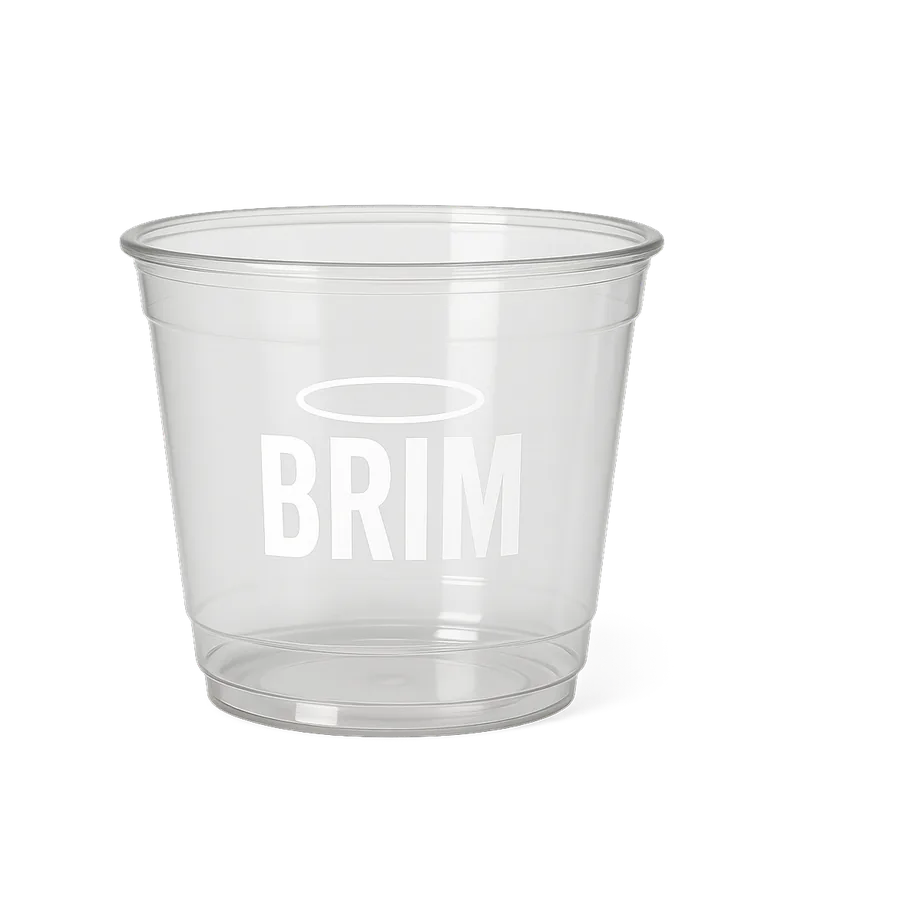
The most common material for compostable cold cups is PLA, short for polylactic acid. PLA is made from plant sugars and looks nearly identical to conventional clear plastic. It is not the same as conventional plastic and is not recyclable through standard plastic recycling streams. It needs to go to a commercial composting facility to break down as intended.
Why the distinction matters for your business
If you're choosing eco-friendly cups to make an honest claim to customers, the distinction matters a lot. Calling a cup biodegradable when it contains a conventional plastic lining is technically defensible in some cases but doesn't hold up to scrutiny.
Calling a cup compostable when it's certified and you operate in an area with commercial composting access is a specific, defensible claim. If your city's food composting program accepts PLA cups, you can tell customers their cup goes in the compost bin. That's a concrete brand statement.
The options Brim carries
Our eco-friendly cups include two categories that earn honest claims:
- Compostable PLA cold cups: plant-based material, certified commercially compostable, clear like conventional plastic
- Recycled-content paper hot cups: made with post-consumer recycled fiber, lower-footprint without needing a composting facility
How to decide which is right for you
If your city or county has commercial composting that accepts PLA, compostable PLA cups are a strong choice for cold drinks. Customers can put the cup in the compost bin. If you're in an area without accessible commercial composting, recycled-content paper cups are a more practical eco claim. You're lowering the footprint of your hot program without asking customers to sort their waste differently.
Either option can be printed with your logo in full color. Request a quote and ask about our eco-friendly line.
Shop related
Ready to brand your drinkware?
Send your logo and quantity for a free proof and your best wholesale price.